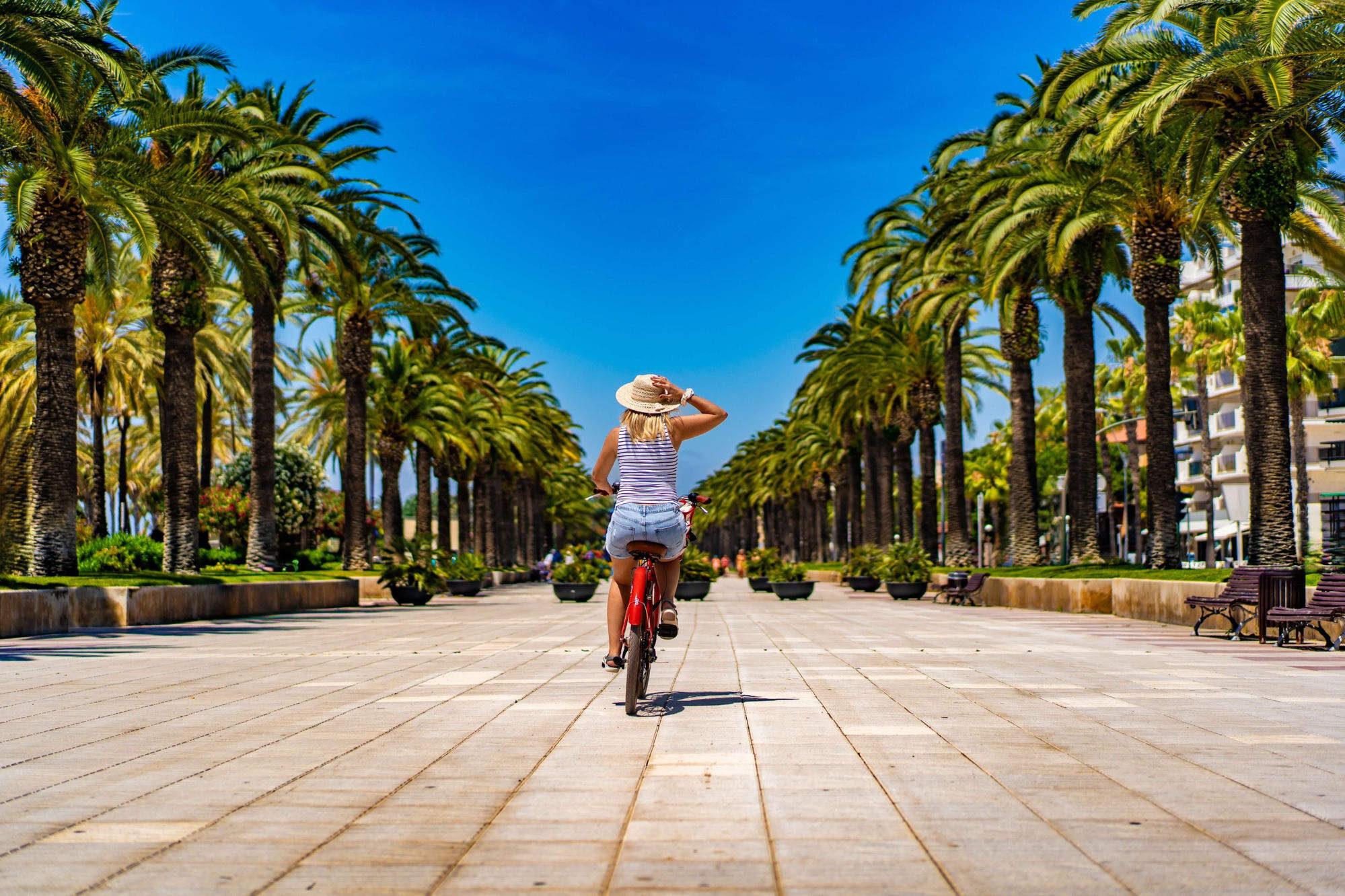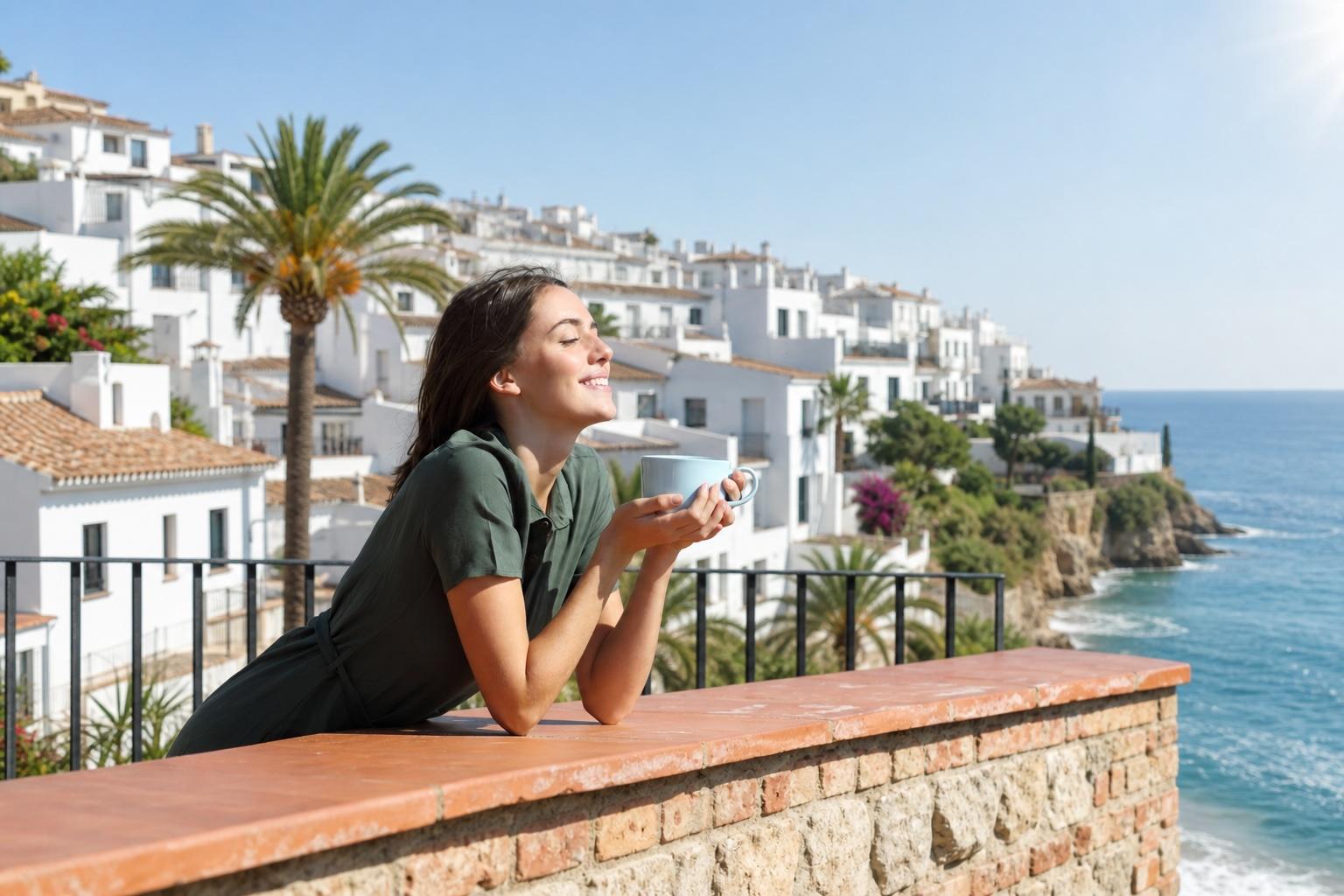

When we talk to people who are considering a home on the Costa del Sol, most have only seen the coast in July and August. That is understandable, but it gives a skewed picture. For many owners from northern Europe, winter becomes the most important season: the months from October to April, when it is dark and wet at home and still bright and mild down here.
The climate is the obvious difference. At Málaga Airport, the average daytime high is about 17 degrees in January and February, with individual days well above that, and around 180 hours of sunshine a month. Nights are cooler, with average lows of around 7-8 degrees, and frost and snow are almost unheard of. It is not beach weather, but you can eat lunch outdoors, walk without a winter coat and use your terrace for much of the year.
Everyday life looks different, too. The promenade is quiet, you can get a restaurant table without booking, and the queues in Marbella and Fuengirola are gone. On the other hand, not everything stays open. Some seasonal restaurants and beach bars (chiringuitos) close in the coldest months, especially in the smaller coastal towns. In the larger towns and established areas you will notice little of this.
It is also outside the season that the international community comes into its own. Clubs, churches, golf societies and regular meeting places are usually busiest in winter, when residents and long-stay visitors are back. For many newcomers, this is where their social network is actually built.
British citizens should plan their winters around the Schengen rules: since Brexit, you can stay without a visa for up to 90 days in any 180-day period. A full winter from October to April is longer than that and needs a visa or residence permit. EU citizens have different rules.
A practical detail many people overlook: Spanish homes are built for heat, not cold. Tiled floors, thin walls and little insulation mean it can feel surprisingly chilly indoors on the coldest evenings. A heat pump, or air conditioning that can also heat, is worth checking when you view a property you plan to use in winter. So is the direction of the terrace: south-facing gives you noticeably more usable hours outdoors in the winter months.
Our best advice is to make at least one trip outside the summer season before you decide. An area shows a different side in November or February, and for many people this is the version of the Costa del Sol they will use most. Get in touch with us at Solkystmegleren, and we will plan a viewing trip that gives you a realistic picture of everyday life.
We know the coast all year round and are happy to help you find a home that works as well in January as in July. Browse homes on the coast, or read about Estepona, a town that stays lively all winter.
Sources
The links lead to the sources in their original language.
- Spanish State Meteorological Agency (AEMET): Standard climate values, Málaga Airport (1981-2010) (opens in a new tab) (Checked 23 October 2026)
- GOV.UK (Foreign, Commonwealth & Development Office): Spain travel advice: entry requirements (90 days in any 180-day period) (opens in a new tab) (Checked 23 October 2026)